There was no design system, no shared process, no seat at the table. A year later, design had a roadmap tied to business metrics, not just “make things prettier.”
2025
2 Designers, 5 PMs
Project owner
Challenge
When I first joined Fairmatic, design operated largely as a service function. We received requirements from PMs and developers and focused on shipping within timelines, often without challenging or digging deeper into the underlying “why” behind what we were building.
Over time, this approach resulted in a chaotic product - a growing collection of features with little consistency or cohesion, as designers largely worked independently. The lack of a shared design vision and system ultimately made the product confusing and difficult to use for customers. By the time these issues became apparent, they were deeply embedded in the product, making them difficult and costly to fix quickly.
Building the Operating System
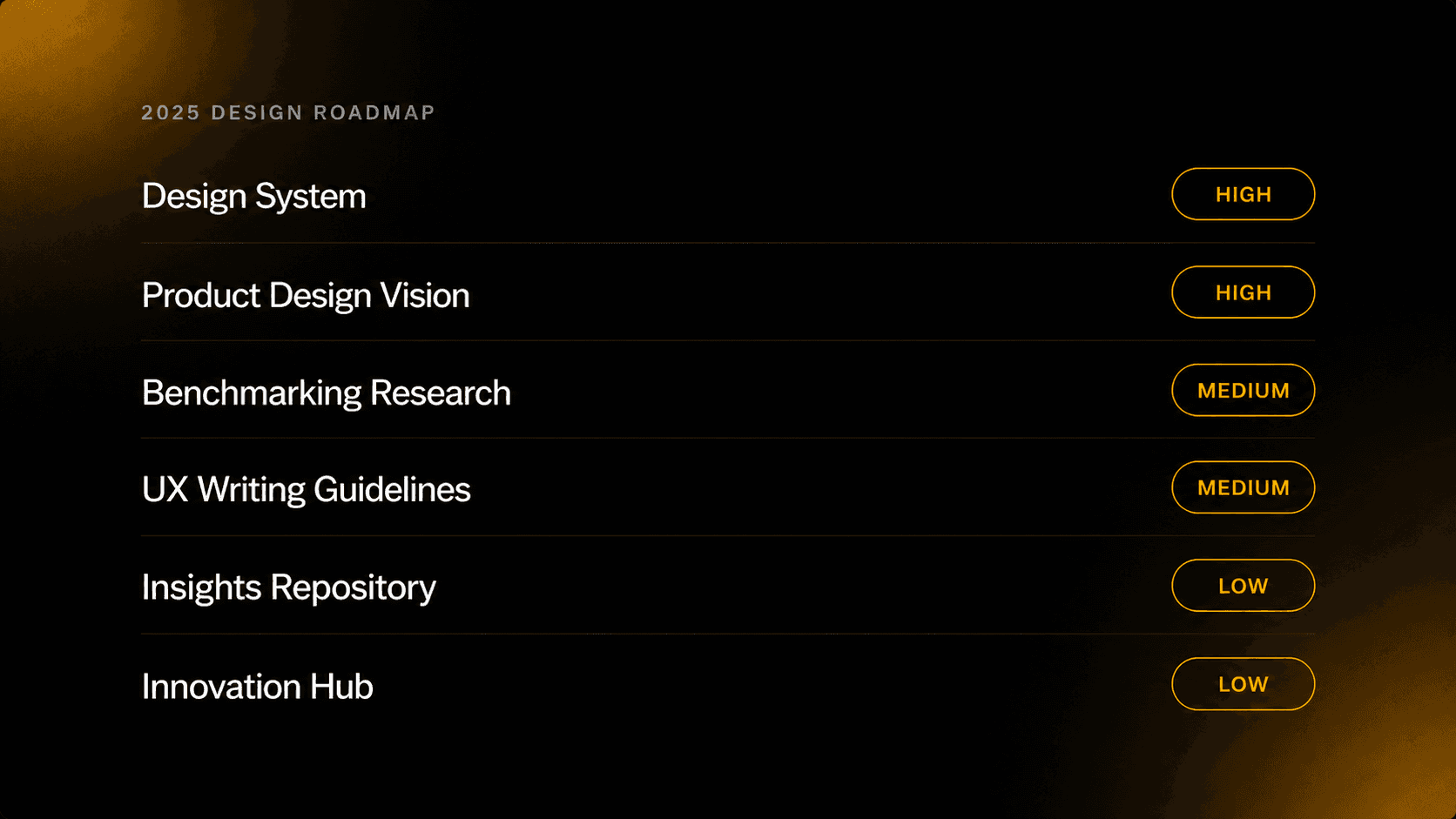
The team was shipping constantly, but nobody could say whether any of it was working no usability baseline, no shared vision beyond the current sprint. Instead of picking one more feature to design, I built a framework for how design would work as a function going forward: six initiatives - a design system, a product vision, benchmarking, writing guidelines, an insights repository, an innovation hub. Each with an owner, a metric, and a priority.
Winning Individual Teams Over
The hardest resistance was “too much effort, too little return.” I couldn't win that with a slide deck. I had to win it by showing them and debating each and every detail about the initiative. One small comparison for each initiative made the case for the whole system better than any argument about the initiative as a concept.
Example :- How a simple plus/minus control on number inputs as a component in the design system could save users a whole lot of trouble.
Even simple things like that could make a difference for our customers and that could only be shown by illustrating it.

Scaling It, and Growing Others
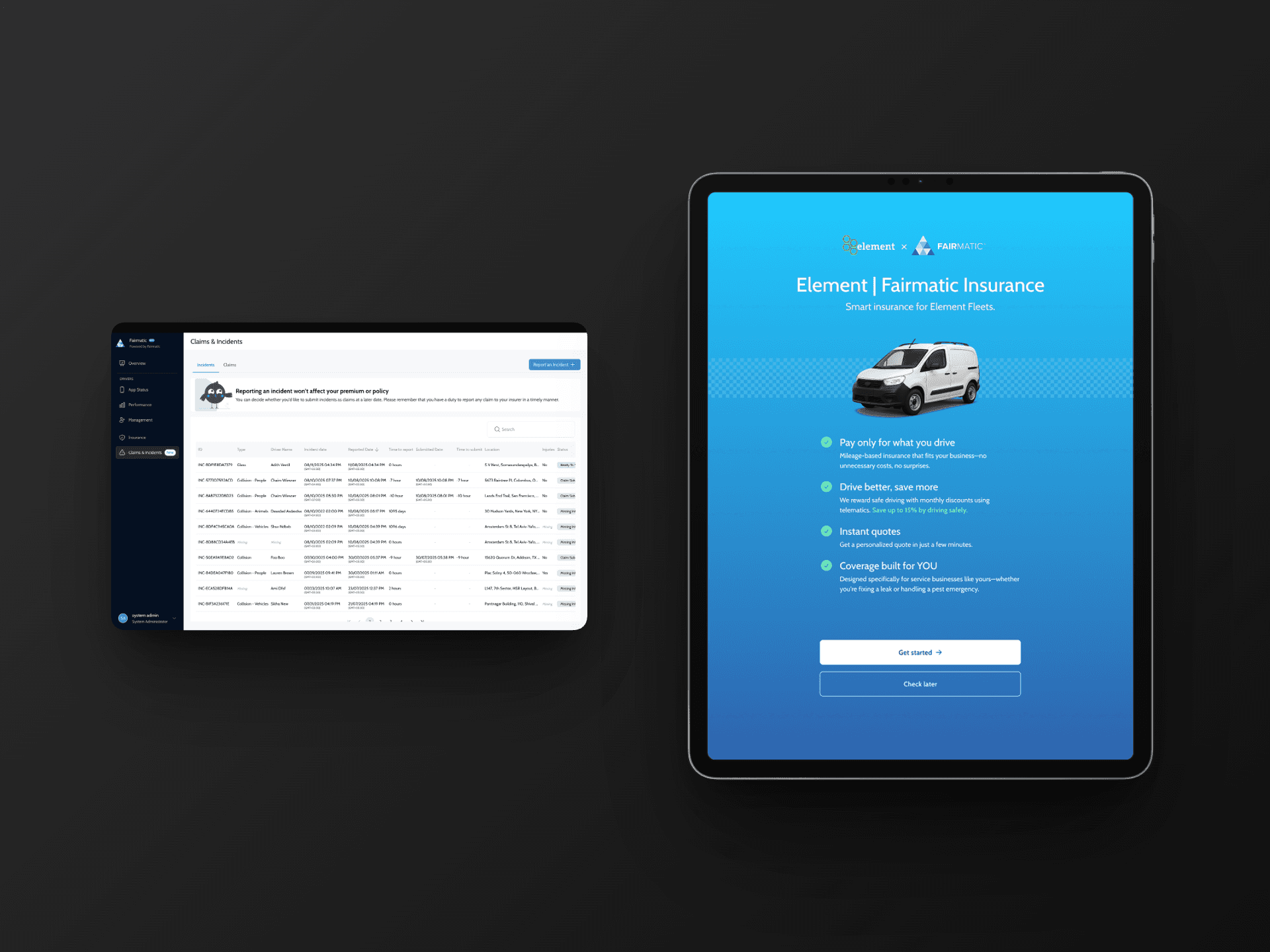
What happened
65%
of new projects shipped using the design system in year one
8%
Increase in SUS score for overall product
200+
insights logged in a shared repository

Design strategy isn't better opinions on visual details. It's building the infrastructure that lets a team's opinions be tested, measured, and trusted.